What Language Is Spoken In The Falkland Islands?
English, spoken by a population of around 3,465, with its own vocabulary: camp, settlement, kelper. What the accent sounds like, and how British it feels.
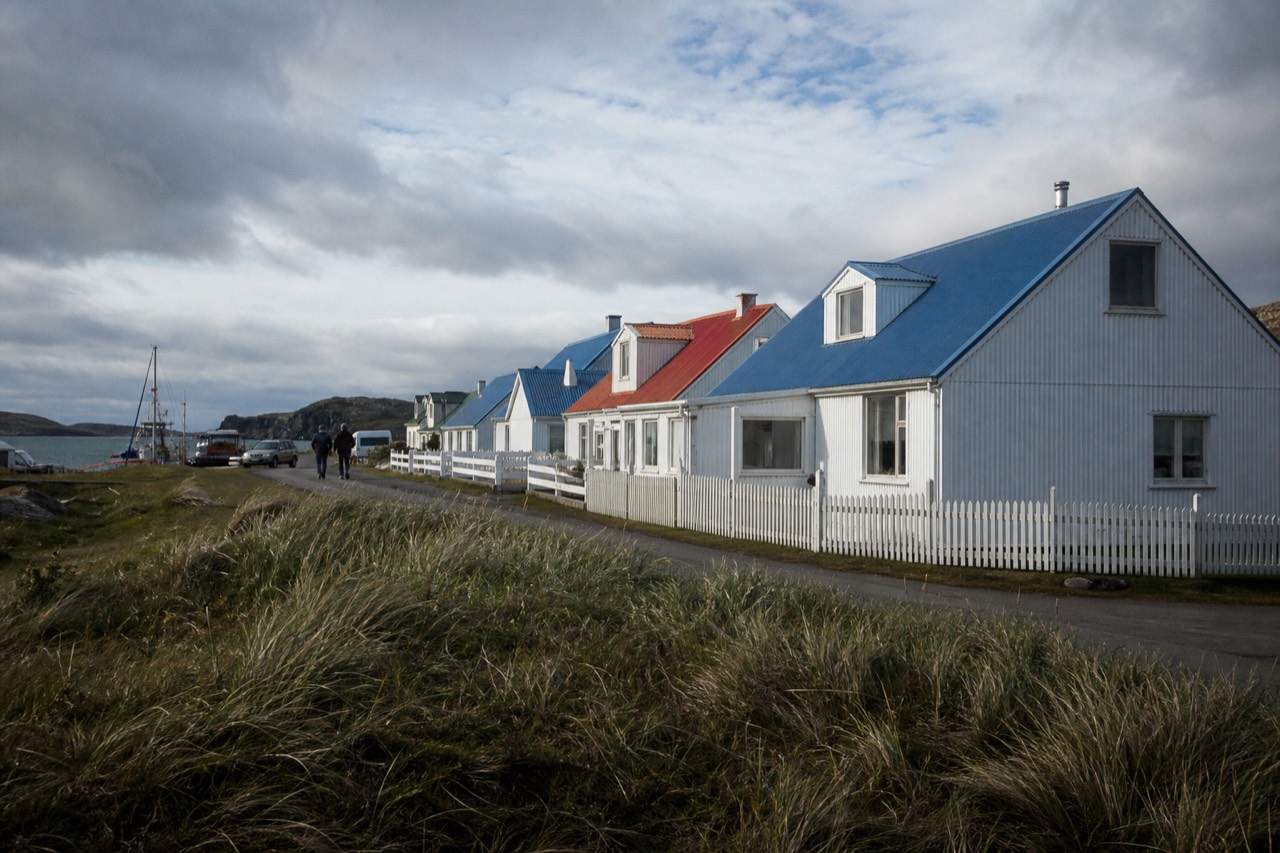
Step off the tender at Stanley and the first thing you hear is a conversation about the weather, in English, between two people who already know each other. Then a Land Rover door slamming. Then gulls. Nobody switches languages for you here, because there is nothing to switch from.
What Language Is Spoken In The Falkland Islands?
English. It is the everyday language of the islands, used in shops, on the radio, in government offices and on every tour vehicle that meets a ship. The population is small, around 3,465 as of January 2026, and English is what all of it speaks. Road signs, menus and place names are in English too.
The answer is short because the reality is. No second working language to plan around, no phrasebook, no menu to squint at. Where visitors get caught out is vocabulary rather than language: a few local words carry meanings their British originals never had.
What Does The Accent Actually Sound Like?
British-rooted English, shaped by a very small and very isolated population. It is not quite any one UK regional accent, and listeners rarely place it on the first try. Guides, drivers and shop staff are used to visitors from everywhere and speak clearly. You will not need anything repeated more than once.
Small populations do interesting things to speech. With around 3,465 residents and families who have known each other since school, the islands developed their own turns of phrase without much outside pressure. What you notice first is not the vowels. It is the pace.
What Is &Quot;Camp&Quot;, And Who Is A &Quot;Kelper&Quot;?
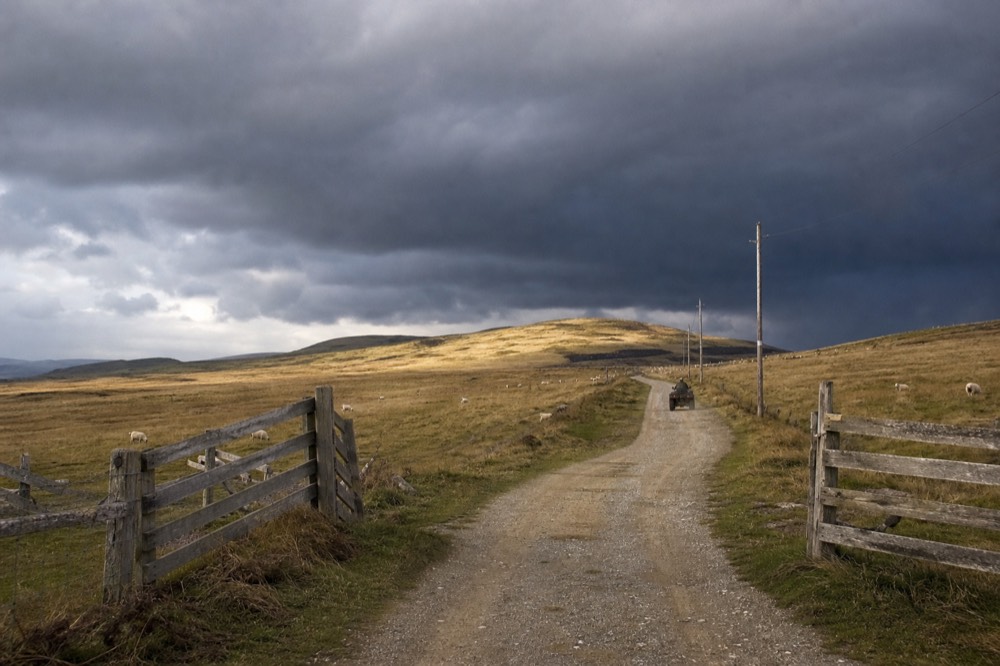
"Camp" means everything outside Stanley: the open countryside, the farms, the settlements, the tracks a 4x4 crosses to reach a penguin colony. "Kelper" is the informal nickname for a Falkland Islander, from the kelp beds around the coast. Some islanders use it happily of themselves; others prefer Falkland Islander.
You will meet "camp" within an hour of arriving, because it is how every tour describes the ground it drives on. A guide saying the last stretch runs over open camp is telling you the road ends and the track begins. "Settlement" is the other one, meaning a small working farm community rather than a village with a shop and a pub. Both appear on itineraries without explanation, and now they need none.
"Kelper" needs a lighter touch. It is a nickname rather than a formal demonym, and the safe move for a visitor is to hear it rather than use it. Nobody will take offence at "Falkland Islander", which is what official use prefers.
How British Does It Feel On The Ground?
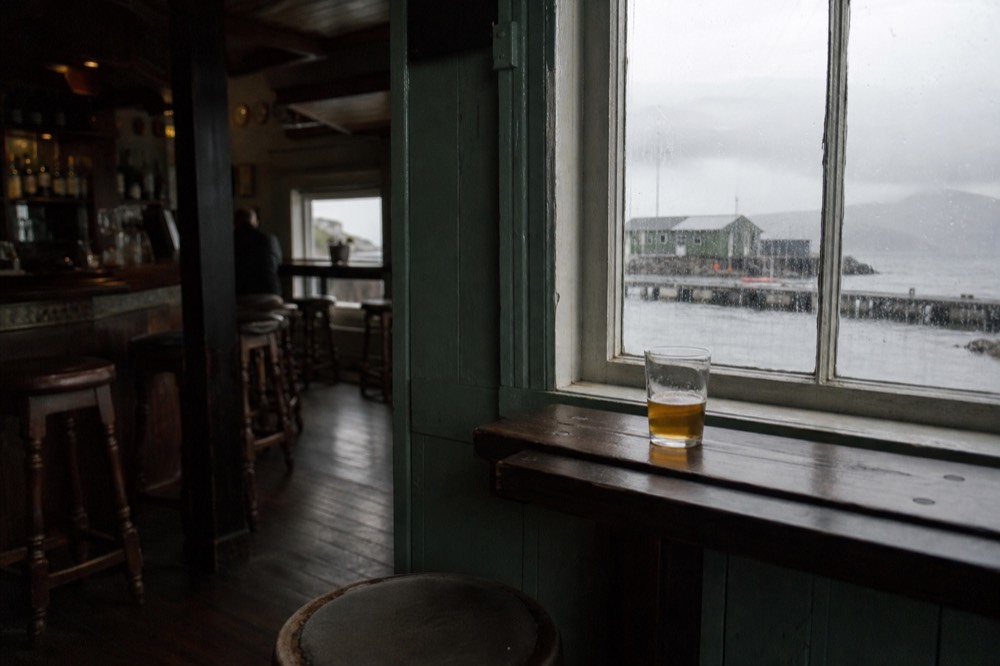
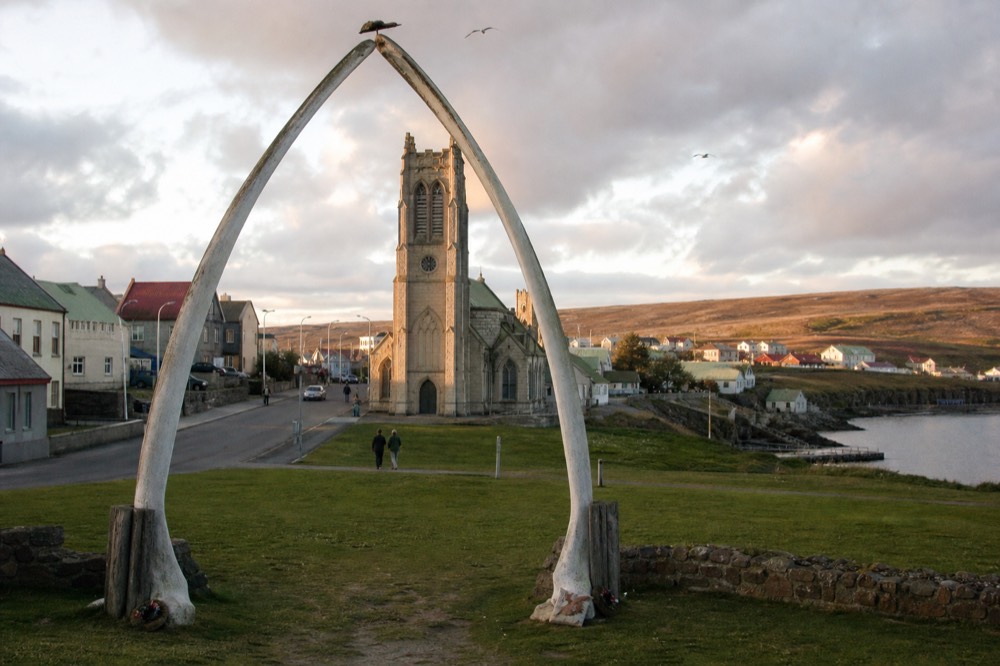
Very. The Falkland Islands pound is pegged one to one with sterling and UK notes are accepted interchangeably. Pubs, fish and chips and a stone cathedral anchor the town. There is no McDonald's and no international chain of any kind, so the food is local, independent and priced for a place at the end of a long supply line.
The British texture shows up in practical detail more than in bunting. Tipping is not expected, though ten percent is appreciated. There is exactly one ATM in the islands, at the Stanley Services refuelling station on Bypass Road, open only during business hours, so cards plus a cash reserve is the sensible combination. Polymer £5, £10 and £20 notes entered circulation on 14 August 2025, and old paper notes stopped being legal tender after 30 April 2026.
| Everyday thing | How it works in the Falkland Islands |
|---|---|
| Currency | Falkland Islands pound, pegged 1:1 to sterling; UK pounds accepted interchangeably |
| Cash | One ATM, at Stanley Services on Bypass Road, business hours only; cashback at some shops, free at Kelper stores, around £3 at West Store and the Chandlery |
| Banking | Standard Chartered on Ross Road is the sole bank; cash advances on Visa and Mastercard with ID |
| Banknotes | Polymer £5, £10 and £20 issued 14 August 2025; old paper notes withdrawn after 30 April 2026 |
| Eating out | Independent pubs and cafés only, no international chains; fish and chips around £14.95, an inexpensive meal around £20 |
| Pubs | Traditional British, including the Victory Bar, which has been going since 1946 |
| Tipping | Not expected or automatically added; around 10% appreciated for good service |
| Phone signal | Sure 4G concentrated on Stanley and main roads, thin in remote camp; Starlink licensed from October 2025 |
The currency peg is documented on the Falkland Islands Government's own currency page, and the tourist board's eat and drink listings cover which pubs and cafés are actually open.
Who Are You Actually Talking To?
A community of roughly 3,465 people, hosting cruise seasons that bring more than twenty times that number ashore. Around 72,500 cruise passengers were forecast for the 2025-26 season after 71,278 in 2024-25, against 2,695 land-based leisure visitors in 2024. Everyone you meet on a tour day is used to a full ship.
That ratio is the thing to hold in your head. On a busy morning the town is outnumbered several times over by people who arrived overnight, which is why booking ahead matters: the 4x4 fleet is finite and the day is short. A private booking gives your party its own vehicle; it does not bypass tender queues. Private transport gives your group its own vehicle, but the current Bertha’s Beach & Beyond and Penguin Paradise listings use per-person pricing that varies with party size. Compare the final total for everyone on your date; a headline price is not a flat vehicle quote.
For a shared alternative, the 2h40m penguins and Stanley sightseeing run keeps groups to 15 and meets at the Tender Landing Stage: see dates and the live price. The census date is confirmed in MercoPress's report on the 2026 count.
The town itself is covered in the capital worth your whole day, the museum, pubs and short walks in what fills an afternoon beyond the tour bus, and the sterling cost of all of it in the full Falklands trip budget. To pick between shared and private days, compare the private options side by side.
Frequently Asked Questions
What language do they speak in the Falkland Islands?
English. It is the language of daily life across the islands, used in shops, offices, broadcasting and on every tour. The resident population is around 3,465 as of January 2026, and visitors need no second language, no phrasebook and no translation app. Signage, menus and place names are all in English.
Do people speak Spanish in the Falkland Islands?
English is what you hear everywhere, from Stanley shops to camp settlements to the guides meeting cruise tenders at the jetty. There is no practical need for another language on a visit, and tour listings, museum labels, government notices and menus are in English throughout.
What does "camp" mean in the Falklands?
Camp means everything outside Stanley: open countryside, farms, settlements and the rough tracks that connect them. Tour listings use it plainly, so a description saying the last stretch runs over open camp means the sealed road has ended and a 4x4 takes over. A settlement is a small working farm community.
What is a kelper?
Kelper is the informal nickname for a Falkland Islander, taken from the kelp beds that ring the coast. Some islanders use it of themselves without a second thought, while others prefer Falkland Islander, which is the term in official use. Visitors are safer hearing it than using it.
Can I use British pounds in the Falkland Islands?
Yes. The Falkland Islands pound is pegged one to one with sterling and both circulate interchangeably. Cards are widely accepted in Stanley shops, hotels and tour offices, with contactless common. There is one ATM in the islands, at Stanley Services on Bypass Road, open business hours only, so carry cash for camp.
Your Next Step
Choose Your Falklands Outing
Initial suggestion; use the optional controls to compare your plans.
Match The Outing To Your Plans
These controls compare the listed itineraries, not personal fitness or guaranteed departure availability. Confirm child ages, access needs and ship return arrangements before paying.
Penguins & Stanley Sightseeing: Yorke Bay, Gypsy Cove and Stanley landmarks with a local guide. 2h 40m; shared.
Private Bertha’s Beach & Beyond: A private vehicle, Bertha’s Beach entry, snacks and hot drinks. 4–5 hours; private.
Private Penguin Paradise: Bertha’s Beach, Stanley and a homemade lunch in a private 4x4. 5 hours; private.
Compare Your Actual Quotes
Use the same currency and comparable inclusions. A private vehicle is not automatically sold at a flat vehicle price; copy the final total for your party from the provider.
No listed outing matches these choices. Adjust or reset them; suitability that needs individual confirmation must be checked with the operator before booking.
Check your travel date before arranging the rest of your visit. Yorke Bay, Gypsy Cove and Stanley landmarks with a local guide.
Penguins & Stanley Sightseeing · 2h 40m
Uneven walking; not suitable for wheelchairs or mobility aids. Not recommended with spinal or cardiovascular conditions.
Choose a date to check the published schedule. Availability and final price are confirmed on Viator.