What Was The Bloodiest Battle Of The Falklands?
Goose Green is the battle the question usually means. Where it sits in the 1982 campaign, what the cemetery at Fish Creek records, and how to visit the ground.
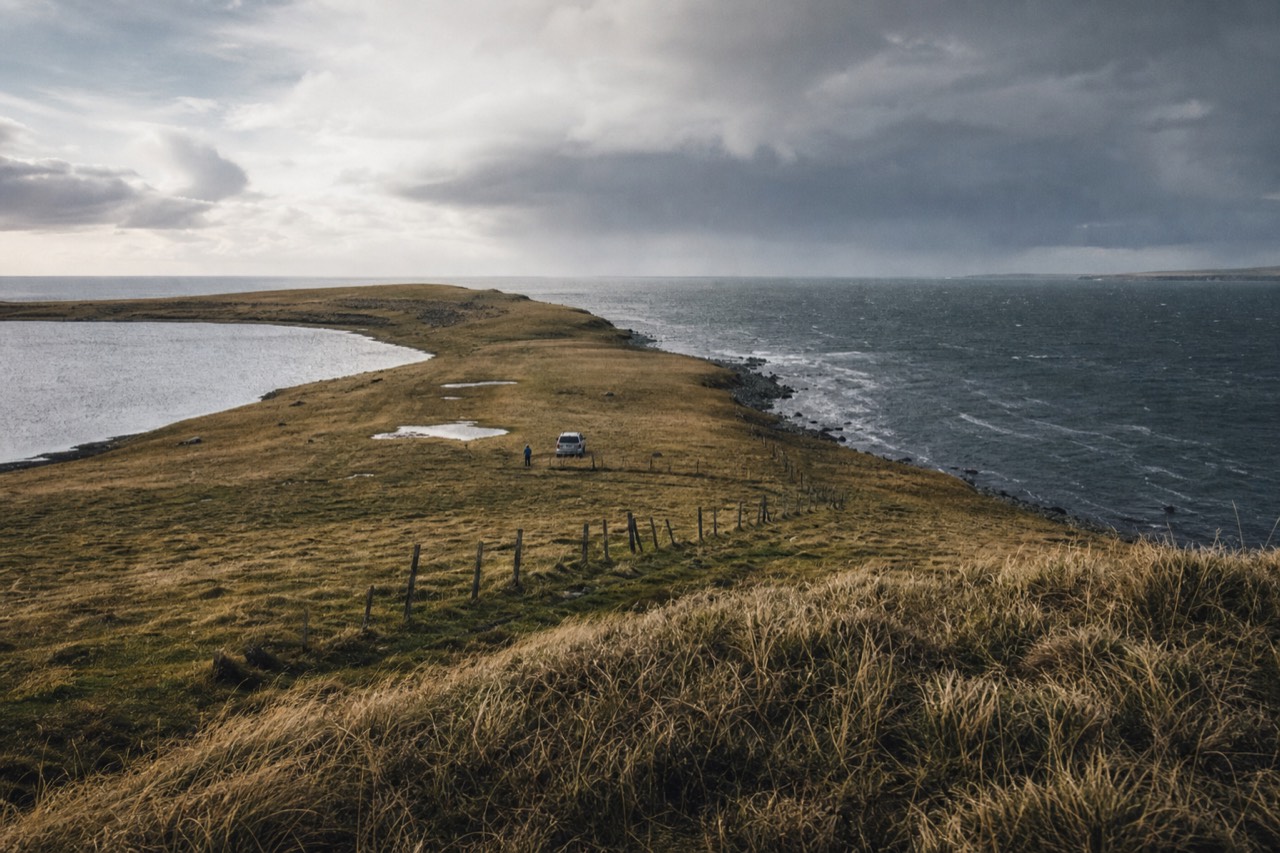
The isthmus at Darwin is barely a mile across at its narrowest, and standing on it you understand the question before anyone answers it. There is no cover. No trees, no walls, no fold in the ground deep enough to hide a person. Just grass the colour of weak tea, peat underfoot, and water on both sides going grey under the wind.
Price comparisons are editorial snapshots from August 2026, except where updated. Final prices, reviews and booking terms can change; use your date and full party size on the provider’s page.
So Which Battle Was The Bloodiest?
Goose Green is the battle the question usually means: the fight for the settlement on the Darwin isthmus, fought after the San Carlos landings and before the mountain battles that ended the war. The other concentration of heavy fighting came on the hills above Stanley, where Mount Tumbledown was one of the final engagements, on 13 and 14 June 1982.
No neat league table settles it. What the islands offer instead is ground you can stand on and markers you can read, and the clearest visible measure of the conflict's cost sits a short drive from the Goose Green battlefield: the Argentine Military Cemetery at Fish Creek near Darwin, which holds 236 graves.
What Happened At Goose Green, And Why Does The Ground Matter?
Goose Green was the fight for a settlement sitting at the far end of a long, narrow, entirely exposed neck of land. The terrain is the story. Attacking forces had to cross open camp with no cover in daylight or under flares, which is why the battle is the one people name when they ask about the war's hardest fighting.
Walk it and the arithmetic becomes obvious. The isthmus funnels everything, the ground rises and falls in long shallow steps, and each step is visible from the next. Guides out there tend to say less than you expect and let the landscape explain itself.
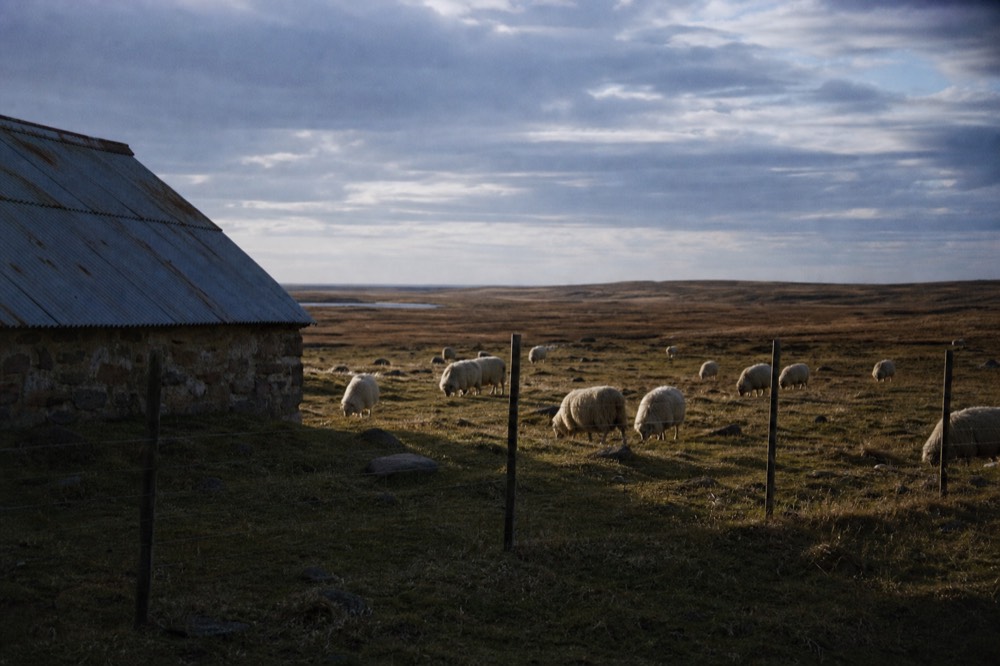
Today it is working camp again. Sheep graze the slopes, the settlement is a settlement, and memorials stand where the fighting was. The full site-by-site picture is set out in the 1982 sites you can tour from Stanley.
Where Does Mount Tumbledown Fit?
Mount Tumbledown, on the high ground west of Stanley, marks one of the final engagements of the campaign, fought on 13 and 14 June 1982. Its memorial is open at all hours, all year round. The occupation ended on 14 June, the date now marked annually as Liberation Day.
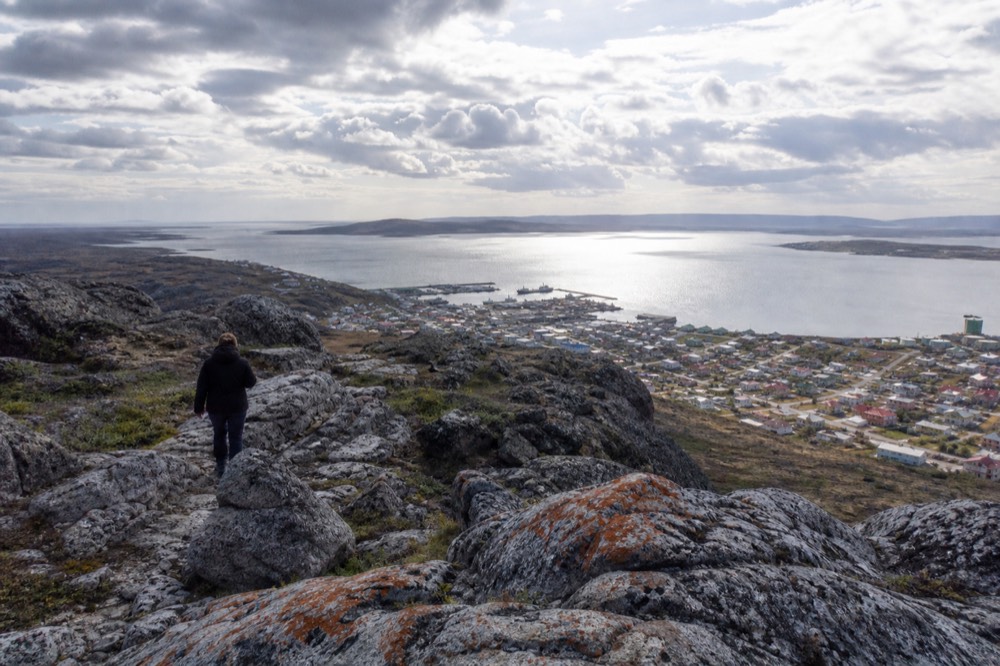
The mountains ringing Stanley were the last obstacle. Tumbledown is rock, scree and wind, and on a clear day the painted roofs of the town lie directly below you, which puts the endgame of the war in one frame. The tourist board's Mount Tumbledown memorial listing is the plain reference for access.
What Can You Actually See Of It Today?
Five markers carry the story between Darwin and Stanley: the Argentine Military Cemetery at Fish Creek with its 236 graves, the British cemetery and memorials above San Carlos Water, the Mount Tumbledown memorial, the Liberation Memorial on the Stanley waterfront, and the Historic Dockyard Museum in town.
| Marker | Where it is | What it records |
|---|---|---|
| Argentine Military Cemetery | Fish Creek, near Darwin, East Falkland | 236 graves of Argentine combatants; ICRC-led DNA work had identified 125 of them by around 2018 |
| British military cemetery and memorials | Above San Carlos Water | The landing ground where the campaign began ashore |
| Mount Tumbledown memorial | High ground west of Stanley | One of the final engagements, 13 to 14 June 1982; open year-round |
| Liberation Memorial | Stanley waterfront | The end of the occupation; wreath-laying every 14 June |
| Historic Dockyard Museum | Stanley waterfront | 1982 set inside the longer island story of sheep, ships and settlement |
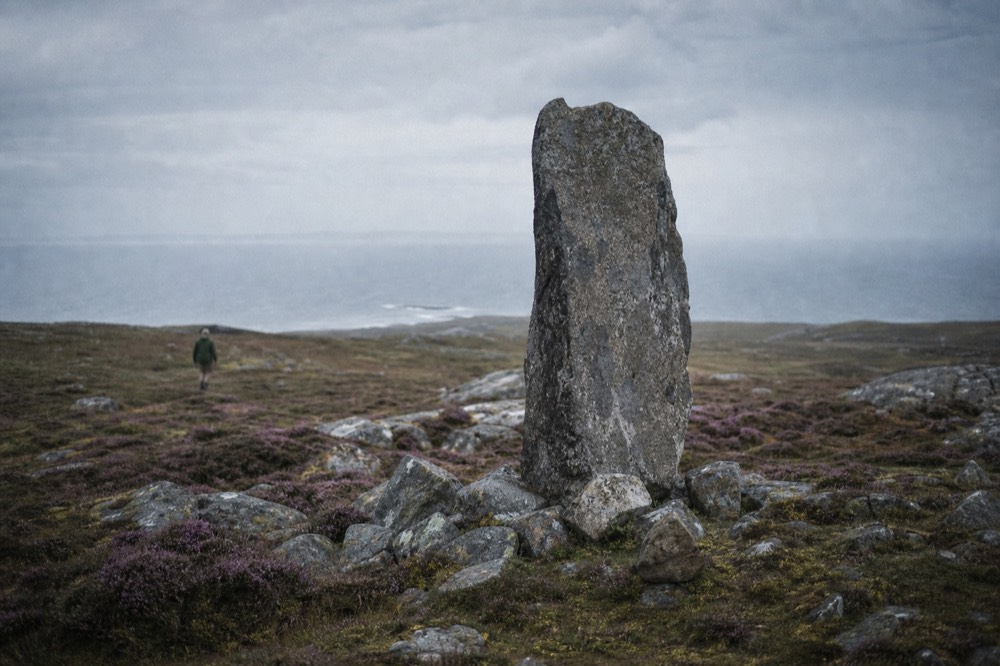
The cemetery at Fish Creek is a maintained war cemetery, and the bearing expected there is the bearing expected at any war grave. Voices down, stay on the paths, and if a family is visiting, wait. Argentina calls the islands the Islas Malvinas, and that name appears on wreaths and plaques at the site. Both nations buried their dead in this ground.
Is The Battlefield Safe To Walk Now?
Yes. The UK-funded clearance programme finished in 2020 and the Falkland Islands were declared landmine-free, with more than 20,000 mines destroyed. Old ordnance still surfaces on beaches from time to time. Do not touch or move anything you find, note where it is, and call 999.
The government's landmine-free announcement documents the clearance, and the current Falkland Islands travel advice carries the reporting rule along with a second one visitors miss: Mount Pleasant is a working military airfield, and unauthorised photography there is an offence under the Official Secrets Act.
Getting to the isthmus takes a guided 4x4 and most of a day. The battlefield tour from Stanley runs up to five hours, so cruise passengers need at least six hours ashore to attempt it, and the tender queue at both ends is what usually decides it. That maths is worked through in how a Stanley port day actually works.
If the drive out to camp is more than your schedule allows, the memorials and the museum in town cover the same story on foot in under two hours, and Stanley's two streets and what fills a day there maps them. To weigh the history day against the wildlife days, compare the bookable options side by side, or see dates and the live price for the 2h40m shared run that pairs town history with penguins.
Frequently Asked Questions
What was the bloodiest battle of the Falklands?
Goose Green, fought for the settlement on the Darwin isthmus, is the land battle the question usually refers to, and the one most visitors come to see. The heaviest fighting at the end of the campaign happened on the hills above Stanley, including Mount Tumbledown on 13 and 14 June 1982. The occupation ended on 14 June.
How many graves are in the Argentine cemetery at Darwin?
The Argentine Military Cemetery at Fish Creek, near Darwin on East Falkland, holds 236 graves of Argentine combatants. DNA identification work led by the ICRC, with cooperation between the United Kingdom, the Falklands and Argentina, had positively identified 125 of those buried by around 2018, allowing families to visit named graves.
Can you visit the Goose Green battlefield?
Yes. A guided day from Stanley covers Darwin, the Goose Green battlefield and the Argentine Military Cemetery, run by Premium Penguin Tours from $252 per person over up to five hours, with free cancellation up to 24 hours before. Check the current reviews and advertised route before booking. The route needs a 4x4 across camp tracks.
Are there still landmines in the Falkland Islands?
No. Clearance funded by the UK finished in 2020 and the islands were declared landmine-free, with the last mine found on 10 October 2020 and over 20,000 destroyed. Beaches like Yorke Bay came back into use as a result. Ordnance still washes up occasionally: never touch it and call 999 to report it.
When did the Falklands War end?
The Argentine occupation ended on 14 June 1982, the date now marked every year as Liberation Day. Stanley holds a thanksgiving service at Christ Church Cathedral, wreath-laying at the Liberation Memorial and a military parade. In 2026 the date falls on a Sunday, with observance moving to Monday 15 June in some contexts.
Your Next Step
Choose Your Falklands Outing
Initial suggestion; use the optional controls to compare your plans.
Match The Outing To Your Plans
These controls compare the listed itineraries, not personal fitness or guaranteed departure availability. Confirm child ages, access needs and ship return arrangements before paying.
Private 1982 War Memorials Tour: Fitzroy, Goose Green, Darwin cemetery and Blue Beach at San Carlos, with lunch. 5–6 hours; private.
Goose Green & Argentine Cemetery: A five-hour 4x4 history day covering Goose Green and the Argentine Cemetery. 5 hours; shared.
Compare Your Actual Quotes
Use the same currency and comparable inclusions. A private vehicle is not automatically sold at a flat vehicle price; copy the final total for your party from the provider.
No listed outing matches these choices. Adjust or reset them; suitability that needs individual confirmation must be checked with the operator before booking.
Check your travel date before arranging the rest of your visit. Fitzroy, Goose Green, Darwin cemetery and Blue Beach at San Carlos, with lunch.
Private 1982 War Memorials Tour · 5–6 hours
Moderate fitness and a long driving day. Confirm the route and return time for your ship call.
Choose a date to check the published schedule. Availability and final price are confirmed on Viator.