Does It Ever Get Warm In The Falkland Islands?
Summer highs of 13 to 14°C, a record of 24.4°C and a 16-knot average wind. Here is what the Falklands thermometer really says, and what it means on a tour day.
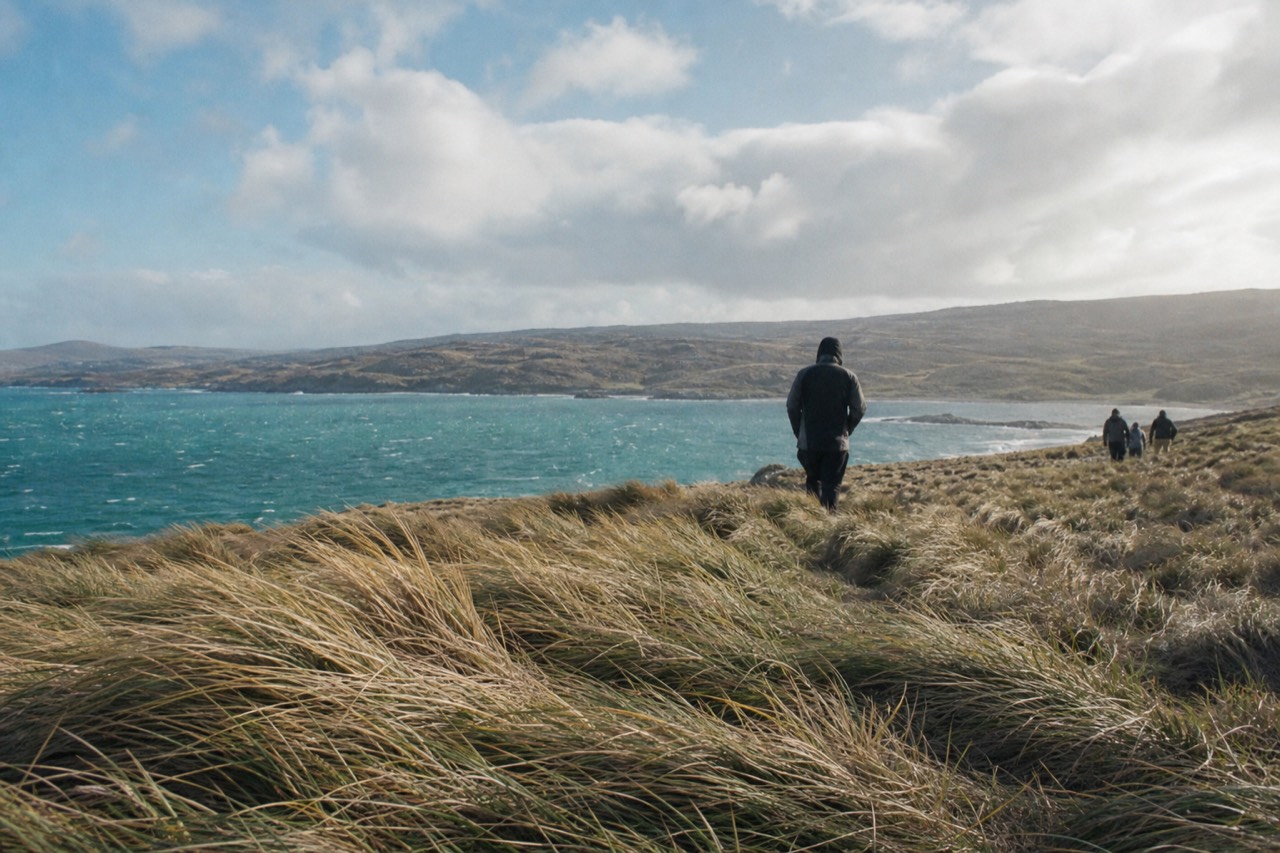
The thermometer outside the Stanley post office reads twelve degrees and the wind says otherwise. That gap, between the number and the feeling, is the entire Falklands weather story. People arrive expecting Antarctic cold and find something closer to a raw English spring that refuses to end.
Price comparisons are editorial snapshots from August 2026, except where updated. Final prices, reviews and booking terms can change; use your date and full party size on the provider’s page.
Does It Ever Get Warm In The Falkland Islands?
Warm, yes. Hot, almost never. January and February bring mean daily highs of about 13 to 14°C, roughly 55 to 57°F, and the all-time island record sits near 24.4°C, or 75.9°F. A newer station high of 28.2°C was recorded at Mount Pleasant in January 2025. Ordinary summer days stay well under 20°C.
The ocean flattens the curve. Water surrounds the archipelago in every direction and holds the air in a narrow band, so the islands never bake and never properly freeze. Winter daily means sit around 2 to 3°C, milder than plenty of northern European cities on the same date. The trade-off is that summer never delivers the heat those cities get.
What Do The Numbers Actually Say?
Mean daily maxima run from about 13 to 14°C at the January and February peak down to 4 to 6°C in June, July and August. Daily means fall from roughly 9 to 10°C in summer to 2 to 3°C in winter, and overnight lows drop from 5 to 6°C to near or below freezing.
| Measure | Summer, November to February | Winter, June to August |
|---|---|---|
| Mean daily high | 13 to 14°C at the January and February peak | 4 to 6°C |
| Daily mean | 9 to 10°C | 2 to 3°C |
| Overnight low | 5 to 6°C | Near or below freezing |
| Sunshine | About 6 to 6.5 hours a day, 189 to 200 hours a month | About 2 to 3 hours a day, 55 to 77 hours a month |
| Wind at Stanley | 16 knots on average, close to 30 km/h, gales frequent | 16 knots on average, gales more frequent, some datasets show 19 to 20 mph across May to September |
| Warmest reading on record | 24.4°C island record, and 28.2°C at Mount Pleasant in January 2025 | Not applicable |
October and March sit between those two columns rather than at either end, which makes the shoulder months a real option for anyone who would rather have space at a colony than the last degree of warmth. On a cool day the detail that matters is whether lunch and a hot drink are built into the tour. The three-site run to Bertha's Beach, Rookery Bay and Gypsy Cove includes lunch, drinks and entry fees inside its $234 per person price; check dates and the live price if you travel either side of the peak.
Why Does 13°C Here Feel Colder Than 13°C At Home?
Wind. Stanley averages 16 knots, close to 30 km/h, and gales are a normal part of the calendar rather than an event. Thirteen degrees with a steady 16-knot westerly pulling heat off exposed skin behaves nothing like thirteen degrees in a sheltered garden. The wind, not the temperature, is what you dress for.
It is also why the islands have no native trees at all, which tells you more about the climate than any number can. The same westerlies keep the moorland low and open, and they are why the archipelago holds roughly 70% of the world's breeding black-browed albatross, around 500,000 pairs of a bird built for this air. Why there are no trees here unpacks the science.
Does The Sun Make Up For It?
Partly. The islands log around 1,650 sunshine hours a year, and from November to February the sun is out roughly 6 to 6.5 hours a day, or 189 to 200 hours a month. Long southern daylight stretches the useful part of the day well past dinner, which is what makes a six-hour tour comfortable in December.
Winter is the reverse: 2 to 3 hours a day, sometimes as little as 55 hours across the whole of June. That is less about cold than about time. A short day is a short tour window, which is much of why the visitor season is framed as October to March by the Falkland Islands Tourist Board.
What Does That Mean For What You Pack?
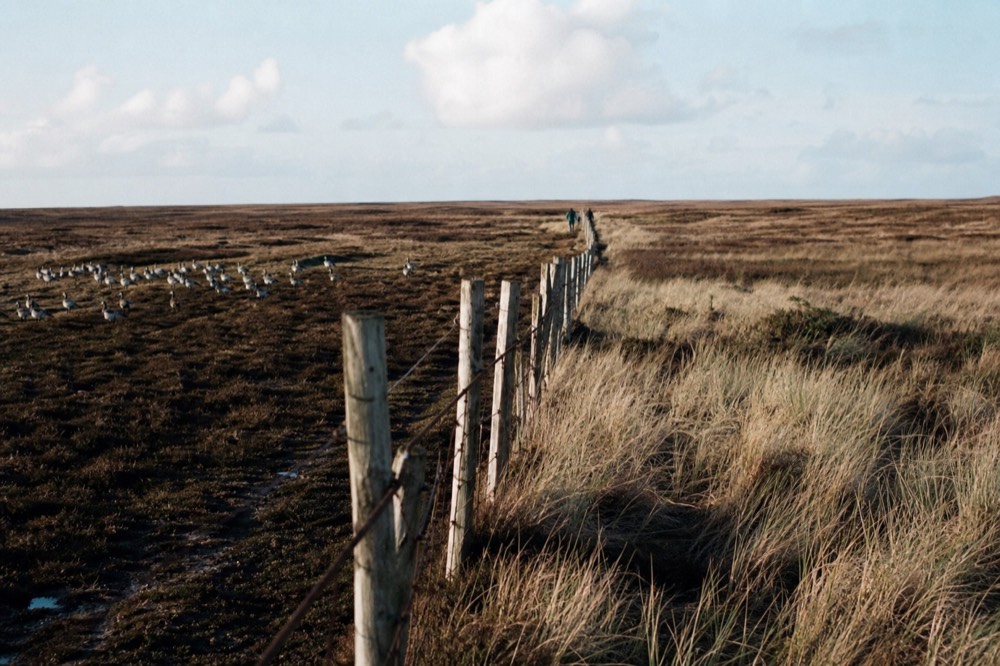
Layers, not a coat. A single heavy parka is the classic mistake here, because you will overheat walking to a colony and freeze standing at it. Three thinner layers with a genuine windproof shell on the outside handle a 13°C day with a 16-knot wind far better than one thick jacket ever will.
| Layer | What it is doing | The Falklands note |
|---|---|---|
| Windproof outer shell | Stops the 16-knot average stripping heat off you | The single item that changes how the day feels |
| Mid layer, fleece or light down | Traps warmth you can shed on the walk | Easy to stuff in a daypack when the sun comes out |
| Base layer | Manages sweat on the walk in | Cotton stays wet and cold, which matters at an exposed colony |
| Hat and gloves | Covers what the wind finds first | Worth carrying even in January |
| Waterproof boots | Peat, tussac and wet sand | Colony approaches are rarely dry underfoot |
How Does The Weather Shape A Tour Day?
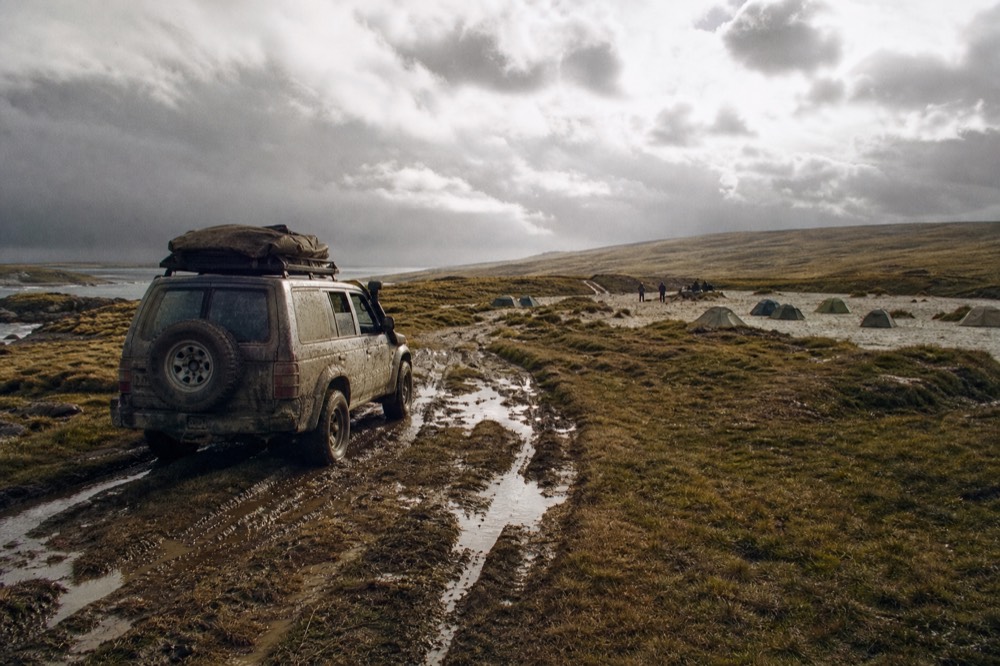
It decides the route more often than it cancels the trip. The Volunteer Point run crosses roughly two hours of open camp each way, and that overland track depends on conditions, so operators judge it on the morning. Short Stanley loops carry on in weather that would turn back a long 4x4 day.
A slot at the king colony is worth protecting against a bad forecast, but cancellation deadlines must be understood: Volunteer Point releases with a full refund requiring at least three full days’ notice, the shorter runs up to 24 hours before.
If the forecast turns properly ugly, the shortest option in the islands is a one-hour gentoo run out of Stanley at $40 per person, back at the jetty before the weather has finished making its point. On a raw December morning that is often the smarter buy.
The months do not score evenly once wildlife, ship traffic and daylight join the temperature, so how each month scores for a whole trip is the piece to read next. The full day at the king colony covers the drive, and you can see every tour side by side before picking a date.
Frequently Asked Questions
What is the warmest month in the Falkland Islands?
January and February, which share the peak. Mean daily highs run about 13 to 14°C, daily means around 9 to 10°C, and overnight lows near 5 to 6°C. Both months also carry the most sunshine, roughly 6 to 6.5 hours a day, so they feel warmer than the numbers alone suggest.
Has it ever been hot in the Falkland Islands?
Rarely, and briefly. The all-time record sits near 24.4°C, about 75.9°F, set in January, and a newer station high of 28.2°C was recorded at Mount Pleasant in January 2025. Days above 22°C are unusual: the surrounding ocean and the constant wind pull the temperature back down.
How windy is it in the Falkland Islands?
Stanley averages 16 knots, close to 30 km/h or 8 m/s, across the year, and gales are routine rather than remarkable. Some datasets show the May to September stretch running 19 to 20 mph. Wind is the reason a mild 13°C day still calls for a proper windproof shell.
Do you need a winter coat in the Falklands in summer?
Not a heavy one. Three layers with a windproof outer shell work far better than a single parka, because you overheat walking to a colony and chill standing at one. Add a hat, gloves and waterproof boots even in January: colony approaches are exposed and rarely dry.
Your Next Step
Choose Your Falklands Outing
Initial suggestion; use the optional controls to compare your plans.
Match The Outing To Your Plans
These controls compare the listed itineraries, not personal fitness or guaranteed departure availability. Confirm child ages, access needs and ship return arrangements before paying.
Penguins & Stanley Sightseeing: Yorke Bay, Gypsy Cove and Stanley landmarks with a local guide. 2h 40m; shared.
One-Hour Gentoo Colony Tour: Off-road transport to Yorke Bay gentoos in a short outing. 1 hour; shared.
Volunteer Point King Penguins: A four-person 4x4, king-penguin colony time and lunch. 6h 20m; shared.
Private Guided Eco Nature Tour: An electric-car nature day with a conservation-experienced guide and smoko picnic. 5–6 hours; private.
Compare Your Actual Quotes
Use the same currency and comparable inclusions. A private vehicle is not automatically sold at a flat vehicle price; copy the final total for your party from the provider.
No listed outing matches these choices. Adjust or reset them; suitability that needs individual confirmation must be checked with the operator before booking.
Check your travel date before arranging the rest of your visit. Yorke Bay, Gypsy Cove and Stanley landmarks with a local guide.
Penguins & Stanley Sightseeing · 2h 40m
Uneven walking; not suitable for wheelchairs or mobility aids. Not recommended with spinal or cardiovascular conditions.
Choose a date to check the published schedule. Availability and final price are confirmed on Viator.